
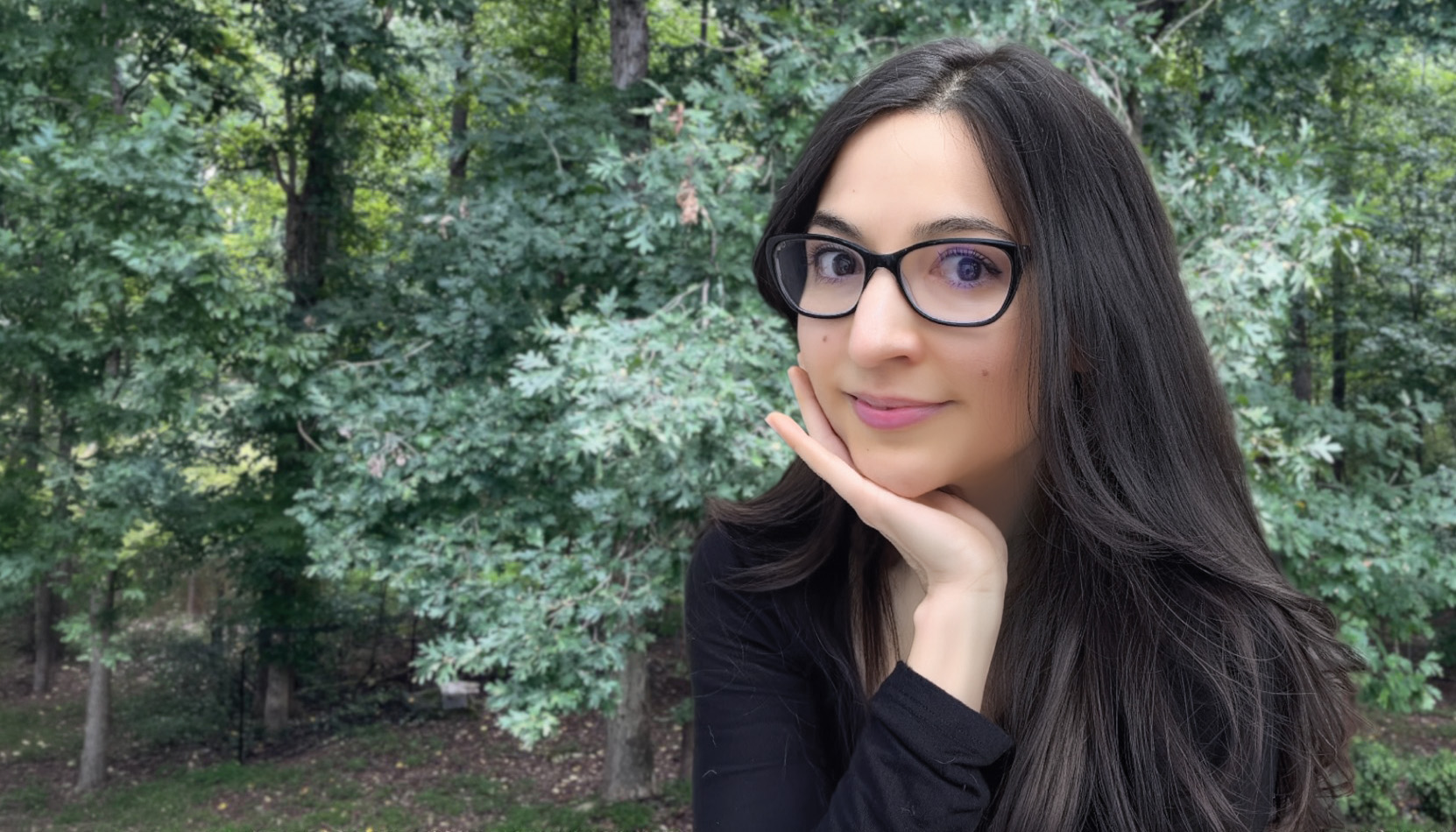
There are many facets to teaching music, but an integral part is creating a space to allow a journey of expressive exploration and introspection.
Music Education Program Coordinator
My passion is using music education to expand concepts of ourselves and the world around us. The courses I teach typically involve reflection, mindfulness approaches, and peer support. My research interests include self-efficacy, mind-body approaches, and social dynamics in music education.
There is power in discovery. When you achieve a skill or level you’ve never accomplished before, that experience has the power to expand your self-concept. You are no longer the limited self who ‘can’t sing’ or ‘can’t lead.’ We must first let go of or work through our self-limiting barriers and take a leap into a space of freedom, curiosity and creativity. There are many facets to teaching music, but an integral part is creating a space to allow a journey of expressive exploration and introspection.
I have a background in classical music, but I’ve adapted my instruction to other genres such as rock, pop and jazz. I incorporate vocal science and pedagogy to promote a greater understanding of how and why certain techniques enhance performance or affect vocal health. Additionally, I utilize self-assessment assignments, peer feedback and mindfulness approaches.
I believe each music educator can have a profound impact on our social climate. Repertoire, social interaction, diverse expression, and skill-building are a few ways in which the music classroom can promote inclusion and empowerment. As long as we are willing to challenge ourselves and consider new approaches, skillsets, and needs, our field will continue to evolve and provide value in a changing world.