Can Online Learning Be Active Learning? How UGA Designs for Participation and Connection
Can Online Learning Be Active Learning? How UGA Designs for Participation and Connection
If you’re considering an online graduate degree, you may wonder what it is that happens after you log in. Will you mostly watch lectures and submit assignments? How will you get to know your classmates and professors?
Yes, online graduate learning can be active learning. At the University of Georgia, online students often encounter collaborative projects, applied assignments, and feedback that engage them in solving problems and putting ideas into practice. Those experiences can happen in live online sessions or through coursework students complete at different times.
Many UGA faculty developing online graduate courses work with professional instructional designers and media producers to build those opportunities into their courses, though the course development process varies by program.
“I argue that active learning should be more about cognitive activity, which a well-designed learning experience and activity or assignment can absolutely provide,” said Duncan Lord, UGA Online instructional designer.
For students, that can mean developing a business strategy with classmates, creating an interactive map, or turning customer research into a video pitch.
How UGA designs interactive online courses
You’ll encounter your professor’s expertise in the material you study, the questions you explore, and the feedback you receive. Instructional designers bring expertise in how people learn online, working alongside faculty to translate course goals into learning experiences that encourage students to practice, apply, discuss, and create.
Working with faculty, they consider what students should be able to do by the end of a course and how they’ll get there. Where will students need practice? When would another perspective help? How can a large project develop over several weeks?
UGA’s approach to building engaging online learning environments brings those questions into course development early, giving assignments, assessments, and media a purpose within the larger learning experience.
It also means thinking carefully about the people taking the course.
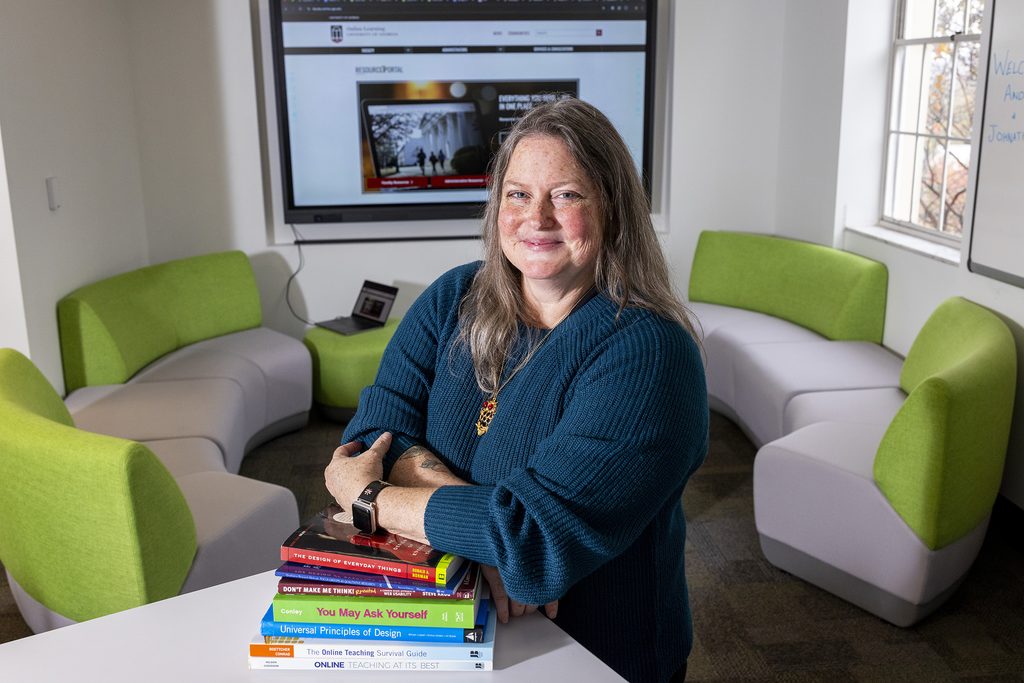
“When you consider and design courses for the people in the margins, no matter how they learn, you improve the experience for everyone,” instructional designer Amy Ragland explained in a UGA profile about her work with faculty.
That attention shows up in opportunities to test an idea before a final submission and activities that give students a reason to connect.
A clear path through challenging work
When you sit down to study after a full workday, you want to know where to begin and what’s expected.
For programs developed in partnership with UGA Online, the course development process starts with a consistent structure across courses. Familiar layouts and module introductions help students find their way. Modules typically explain what students will learn and the steps they’ll take to complete the work.
Within the structure of an online course, assignments give students room to investigate and create.
In the online Master of Natural Resources, students taking GIS Applications develop an interactive StoryMap that combines mapping with an explanation of their findings. They begin with an idea, prepare a proposal, document their data and methods, and build a storyboard before completing the final presentation.
The instructional design team created a planning guide and storyboard template to support that progression. Classmates comment on initial ideas, and a dedicated questions channel provides a place to troubleshoot.
Students practice approaching a substantial project much as they might at work: developing a plan, explaining their thinking, asking questions, and implementing input from others.
How media supports active online learning
Some concepts become easier to follow when you can actually see a process unfold.
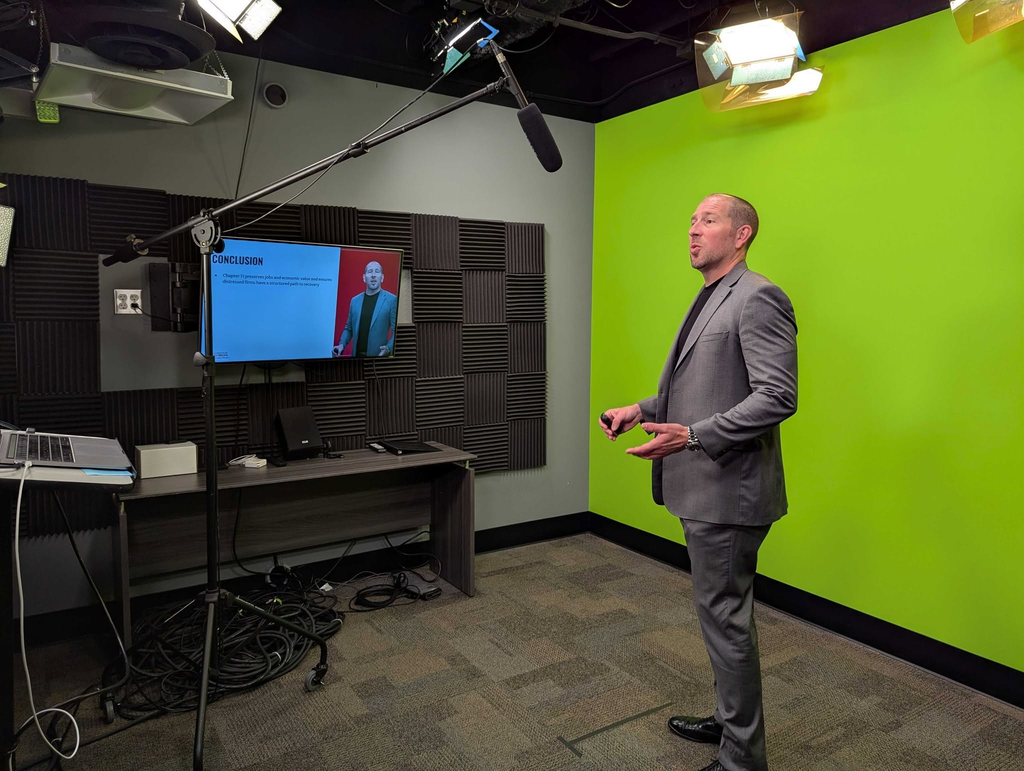
UGA Online’s media production team helps faculty create those experiences in the studio and in the field. The Master Class Studio in Brooks Hall supports instructional recording with tools such as digital annotation and transparent whiteboards.
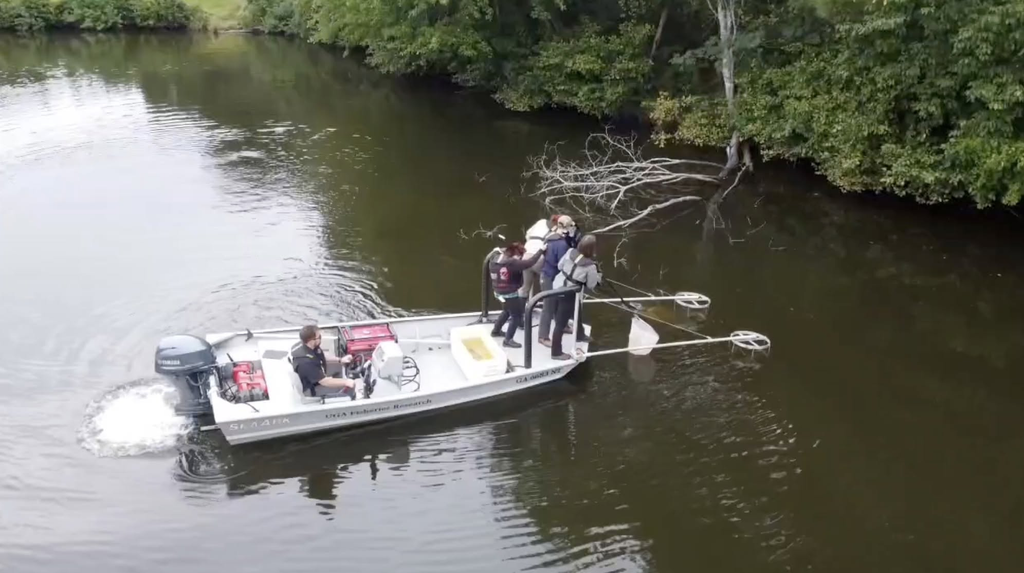
The team also films on location, from coastal infrastructure in Savannah for the online Master of Science in Civil Engineering to electrofishing on Lake Herrick for a course being developed in the online Master of Natural Resources. The footage connects what students see happening in the field with datasets they’ll analyze themselves.
Students also create media themselves.
In the Online MBA, Susan Cohen’s entrepreneurship project asks students to interview potential customers and conduct market research to identify an unmet need. They then turn their findings into a one-minute video pitch shared with their group.
That short pitch requires considerable thinking. What did the interviews reveal? Which evidence supports the opportunity? How do you explain it clearly enough for someone else to understand?
“It also makes media creation part of the learning process: students aren’t only watching videos—they’re using video to practice communicating an evidence-based entrepreneurial opportunity clearly and persuasively,” said OMBA instructional designer Stephanie Gilstrap
The assignment connects research, judgment, and communication—skills students can recognize from their professional lives.
Can asynchronous online learning be collaborative?
Yes. Asynchronous collaboration lets students contribute at different times within a course’s schedule. Shared projects, peer feedback, and class-built resources can all support that interaction.
John Ostrowski, an alumnus of the online Master of Science (M.S.) in Comparative Biomedical Sciences program, said, “The most surprising thing about the program is just how good of a job UGA did at really making you feel connected. Someone in Montana could have the same experience as someone taking it in Athens…I definitely thought the community was the best part.”
In an information systems project in the Online MBA, teams develop a business concept and make strategic technology decisions. Students create a business model, develop a technology plan, and propose an information systems project that supports their strategy. They work asynchronously, with peer evaluations adding accountability to the collaboration.
In Applied Habitat and Wildlife Management, a course in the online Master of Natural Resources, students contribute to a shared Wildlife Forage Catalog throughout the term. Each entry becomes part of a growing reference for the class. Instructional design supports the experience through a consistent submission process and a system for combining and displaying contributions.
The natural resources program also includes live interaction. In its Principles of Natural Resources Management course, students schedule small-group meetings to discuss readings before writing individual responses. They may work through the same paper or read different papers and teach one another what they learned. Faculty feedback continues the exchange through their written work.
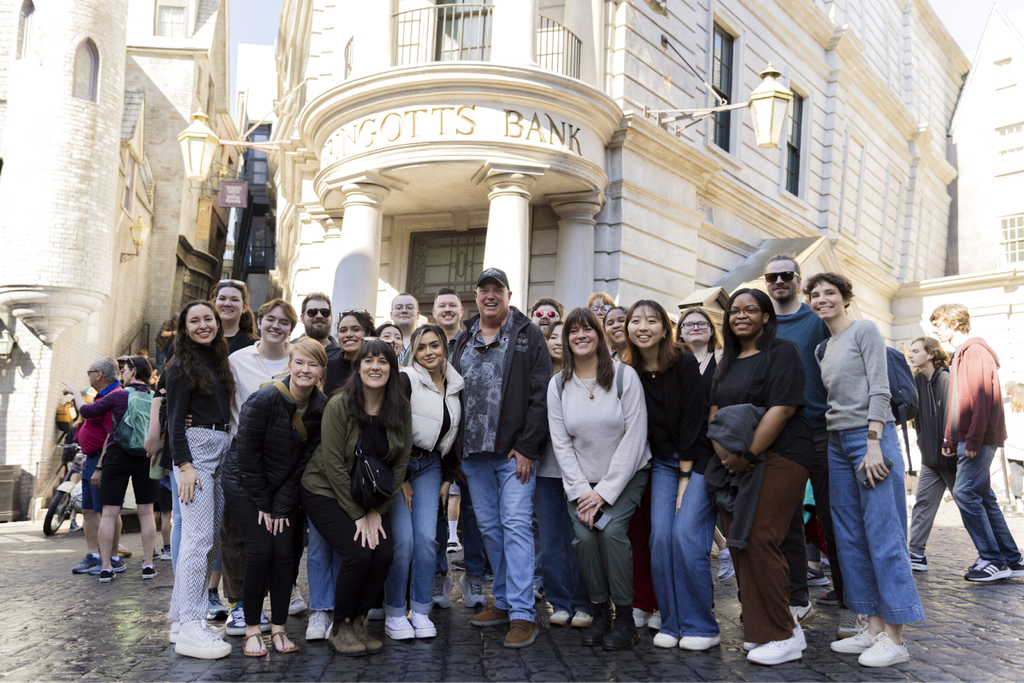
And while online graduate programs are designed to be completed online, some programs may offer optional opportunities to connect in person. Students in the online Emerging Media master’s program, for example, can participate in site visits with classmates to organizations such as Disney and Universal Studios, PGA Tour Studios, Coca-Cola and Delta, where they explore how companies use and innovate with digital media.
The mix varies by course. Asking about scheduled sessions, group work, optional in-person opportunities, and deadlines can help you understand how participation will fit into your day-to-day learning schedule.
How do online students learn from faculty and professionals?
Online students often learn from faculty and professionals through activities such as case discussions, project feedback, and guided revision. These exchanges give students opportunities to explain their decisions, consider another perspective, and strengthen their work.
In the online Master of Science in Civil Engineering, practicing engineers present cases and pose challenges for students to work through together. Students develop and present their solutions, then learn how the engineers approached the problem.
Faculty and the visiting professionals provide feedback on the students’ proposals.
Students in the online Master of Natural Resources practice responding to professional feedback through an assignment in Applied Habitat and Wildlife Management. They draft an Extension publication for readers such as practitioners or landowners, seek review from a professional, Extension agent, or other practitioner, and then revise their work.
Having an audience gives the assignment a practical focus. Students must consider whether their explanation is clear, whether the information is useful, and how someone else’s expertise could improve it.
These projects also give graduate students concrete experiences to discuss professionally: a recommendation developed, a problem analyzed, or a piece of work improved through feedback. UGA Online’s guide to online degrees and employer expectations explores how to talk about those skills and experiences.
What will you do with what you learn?
As you explore an online program, ask what you’ll create, how you’ll work with others, and where you’ll receive feedback. Those details tell you what active learning will look like in your day-to-day life as a student.
At UGA, collaboration among faculty, instructional designers, students, and media producers helps create opportunities for active online learning. You bring your experience, questions, and professional goals—and have opportunities to put them to work.